Introduction: Why Dance?
Dancing is not just a hobby; it's a lifestyle. Whether you’re twirling in a ballet studio, grooving in hip-hop classes, or moving through the fluidity of contemporary dance, each dance style brings its own unique flavor to the table. But what if there was a way to amplify your skills and elevate your performances across the board? Enter cross-training! This article will explore The Benefits of Cross-Training with Different Dance Styles, examining how dabbling in various forms can transform not just your dancing but also your overall physical well-being.
What is Cross-Training in Dance?
Cross-training refers to the practice of training in multiple disciplines to enhance performance in a primary sport or activity. In the context of dance, it means immersing yourself in different genres—like switching between ballet, community dance styles in Tigard jazz, hip-hop, and more.
Why Should You Consider Cross-Training?
You might be asking yourself, "Why should I bother learning other dance styles when I’m already mastering one?" Well, my friend, here’s the kicker: cross-training can make you a more versatile dancer by improving your technique, strength, flexibility, and even creativity!
The Science Behind Cross-Training
Studies show that engaging in varied dance styles can lead to physiological benefits such as improved cardiovascular health and enhanced muscular endurance. Think about it—when you challenge your body in new ways, it adapts and grows stronger.
Physical Benefits of Cross-Training with Different Dance Styles
Improved Flexibility
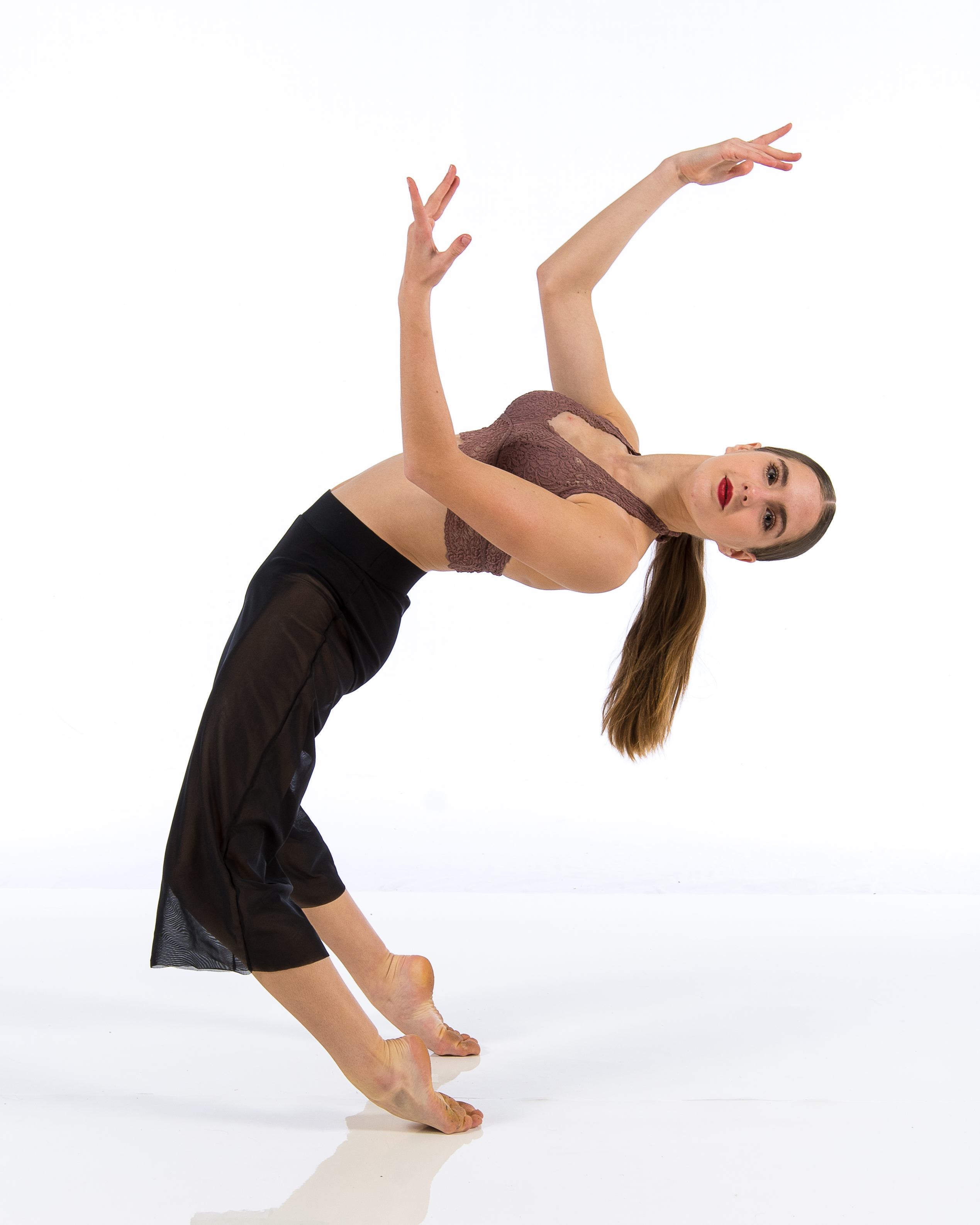
One of the most evident benefits of engaging with diverse dance styles is increased flexibility. Ballet dancers often have impressive flexibility from their rigorous training regimens involving deep stretches and pliés.
Incorporating Stretching Techniques from Various Styles
By taking on jazz or contemporary classes that emphasize different stretching techniques, you can complement your ballet training and achieve even greater levels of flexibility.
Enhanced Strength
Each dance style emphasizes different muscle groups. For instance:
| Dance Style | Key Muscle Groups | |--------------|--------------------| | Ballet | Core, legs | | Hip-Hop | Legs, arms | | Contemporary | Core, back | | Jazz | Legs, feet |
Engaging with these various muscle groups helps create a balanced physique and reduces the risk of injury.
Cardiovascular Health Boost
Dance is one heck of a cardio workout! Mixing styles keeps things fresh while giving your heart an excellent workout.
Why Cardio Matters for Dancers
A strong cardiovascular system improves stamina and endurance for long rehearsals or performances. Who wouldn’t want to end their routine feeling energized instead of gasping for breath?
Mental Benefits of Cross-Training with Different Dance Styles
Increased Creativity
Switching up your dance style can spark creativity like nobody’s business! Ever felt stuck in a rut? Learning something new can provide fresh ideas for choreography or improve improvisation skills.
How Creativity Influences Performance Quality
A creative dancer captivates an audience. By incorporating elements from various styles into your performance repertoire, you'll keep things exciting—not just for yourself but also for those watching!
Boosted Confidence Levels
Mastering new skills naturally boosts confidence! As you become proficient in multiple styles, you'll feel more self-assured both on stage and off.
Confidence Through Diversity
Feeling confident allows dancers to express themselves without holding back—an essential element for captivating performances.
Social Benefits of Cross-Training with Different Dance Styles
Building Connections within the Dance Community
Cross-training exposes you to diverse groups within the dance community. It’s not just about dancing; it’s about forging friendships!
Networking Opportunities Across Genres
Attend workshops or social dances where different styles intersect—this opens doors you didn’t know existed!
Cultural Appreciation Through Diverse Dance Forms
Understanding various dance styles leads to increased cultural awareness and appreciation.
How Cultural Context Enriches Your Experience as a Dancer
When you learn about the history behind a particular style or its cultural significance, it adds depth to your performance.
Overcoming Challenges While Cross-Training: Tips & Tricks
Time Management Strategies for Busy Dancers
Juggling multiple classes might seem daunting at first glance. However, effective time management strategies can help keep everything organized.
1. Prioritize Your Goals
Identify what you want to achieve through cross-training so you can allocate time accordingly.
2. Create an Organized Schedule
Map out weekly schedules that include classes from different styles while ensuring enough rest days are included!
Avoiding Injury While Trying New Styles
Your body isn’t invincible; it needs care when exploring new movements!
1. Listen to Your Body
If something feels off during practice sessions or classes—take breaks when necessary!
2. Warm-Up Properly
Before diving into any class—especially those that require high energy levels like hip-hop—make sure you're warmed up adequately.
The Benefits of Cross-Training with Different Dance Styles: A Summary Table
To sum up all we've discussed thus far:
| Benefit | Description | |-----------------------|-----------------------------------------------------| | Improved Flexibility | Engaging with various techniques enhances range | | Enhanced Strength | Develops different muscle groups | | Cardiovascular Boost | Keeps stamina high during performances | | Increased Creativity | Sparks fresh ideas for choreography | | Boosted Confidence | Mastery breeds assurance both onstage & off | | Social Connections | Networking opportunities across diverse genres | | Cultural Appreciation | Enhances understanding & respect for traditions |
FAQs About Cross-Training with Different Dance Styles
1. Can anyone start cross-training?
Absolutely! Anyone from beginners to seasoned dancers can benefit from exploring different styles.
2. How do I choose which styles to try?
Consider what intrigues you most! Start with classes that excite you—the passion will drive motivation.
3. Will cross-training affect my primary style negatively?
Not at all! As long as you're mindful during practice sessions and listen to your body’s signals—you'll likely see improvements across all areas.
4. How often should I cross-train?
Aim for at least one class per week in another style alongside regular training sessions dedicated solely to your primary form.
5. Is there an age limit for trying new dance styles?
Dance welcomes all ages! It's never too late—or early—to dive into something new!
6. What if I find it challenging?
Challenges are part of growth! Embrace them as learning opportunities rather than roadblocks—they are essential parts of being human (and dancer!).
Conclusion: Embrace Diversity in Your Dance Journey
In conclusion, exploring The Benefits of Cross-Training with Different Dance Styles unlocks doors not only physically but mentally and socially as well! Whether you're looking to enhance strength or boost creativity within performances—diversifying your skill set enriches every aspect of being a dancer (and let’s face it—a better dancer makes everyone around them glow). So why wait? Slip on those dancing shoes and get ready—the world is waiting for YOUR moves!
Remember: Life is too short not to groove through it!