Introduction
Choosing the right dance school for your child can feel like a monumental task. With countless styles, instructors, and philosophies out there, how do you ensure that your little dancer gets the best experience possible? This guide is designed to provide you with a comprehensive roadmap to navigate the often overwhelming world of dance schools. From understanding different dance genres to evaluating instructors and facilities, we’ll cover everything you need to know in this step-by-step guide.
A Step-by-Step Guide to Selecting the Right Dance School for Your Child
Understanding Different Dance Genres
1. Popular Dance Styles for Children
Before diving into specifics about schools, it’s essential to understand what types of dance your child might be interested in. Here are some popular styles:
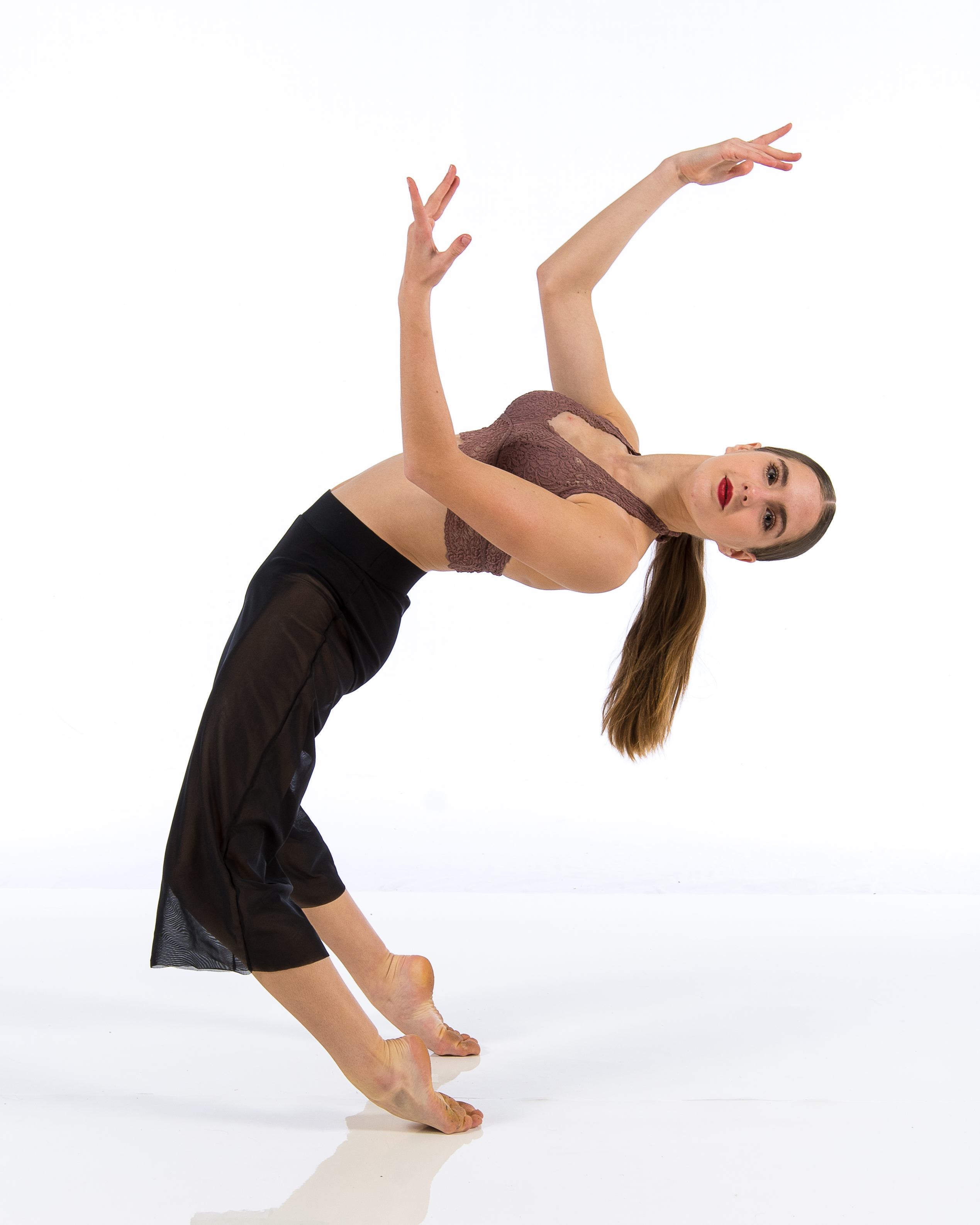
- Ballet: Often seen as the foundation for many other dance forms, ballet emphasizes technique and grace. Jazz: A lively style that blends ballet and modern dance techniques, jazz is energetic and fun. Hip-Hop: This genre is characterized by its upbeat music and street-style moves; it's perfect for kids who love rhythm. Tap: Focusing on rhythmic footwork, tap allows dancers to create sound as part of their performance. Contemporary: A fusion of various styles, contemporary dance gives dancers more freedom of expression.
Why Genre Matters?
Selecting a genre helps narrow down your options. If your child loves ballet but loathes hip-hop, there's no point in enrolling them in a school that specializes in the latter!
Evaluating Dance Studios: Key Factors to Consider
2. Location and Accessibility of the Dance Studio
When choosing a dance studio, consider its location. Is it close enough to home or school? A conveniently placed studio means less commuting stress for both you and your child.
3. Reputation of the Dance School
Take time to research each studio's reputation:
- Look at online reviews. Ask other parents for recommendations. Check their social media pages for updates.
A well-regarded studio often indicates quality instruction.
4. Class Size and Instructor Ratio
Smaller class sizes generally mean more personalized attention from instructors. Pay attention to how many students are in each class, especially if your child is just starting out.
5. Facility Quality: A Walkthrough
You wouldn’t rent an apartment without looking inside first—so why choose a dance school without visiting? When touring potential studios, look out for:
- Cleanliness Safety measures (like proper flooring) Age-appropriate equipment
Instructor Qualifications: The Heart of Dance Education
6. Experience Level of Instructors
What kind of background do instructors have? Are they professional dancers themselves? It’s important to find teachers who not only excel in their craft but also know how to communicate effectively with children.
7. Teaching Philosophy: Aligning Values with Your Own
Different instructors may have different teaching philosophies. Some may emphasize competition while others focus solely on enjoyment and personal growth. Identify what aligns with your values as a parent.
Curriculum Insights: What Will Your Child Learn?
8. Structure of Classes: What’s Included?
Inquire about what each class will entail:
- Duration Warm-up routines Skill progression
Ask if they offer specialized classes or workshops that could enrich your child's experience.
9. Performance Opportunities Available
Does the studio hold recitals or competitions? If so, these events can boost confidence and encourage commitment—two critical factors in a child's development as a dancer.
The Cost Factor: Budgeting for Dance Education
10. Tuition Fees: Understanding Costs
Dance education can be costly; dive deep into tuition fees:
| Item | Cost Range | |--------------------|------------------| | Monthly Tuition | $50 - $200 | | Costume Fees | $75 - $150 | | Recital Fees | $25 - $100 |
Knowing your budget allows you to make informed choices without overspending.
11. Additional Costs You Might Overlook
There are often hidden costs associated with dancing:
- Shoes Costumes Travel expenses
Make sure you're aware of these before making any commitments!
Trial Classes: Test Before You Invest!
12. Importance of Trial Classes
Many studios offer trial classes—take advantage! This opportunity lets you see if your child enjoys it and whether they connect with the instructor.
13. Observing Class Dynamics
During trial classes, pay attention not only to your child but also how other students interact with each other and their instructor.
Getting Feedback: Open Lines of Communication
14. Talking with Instructors
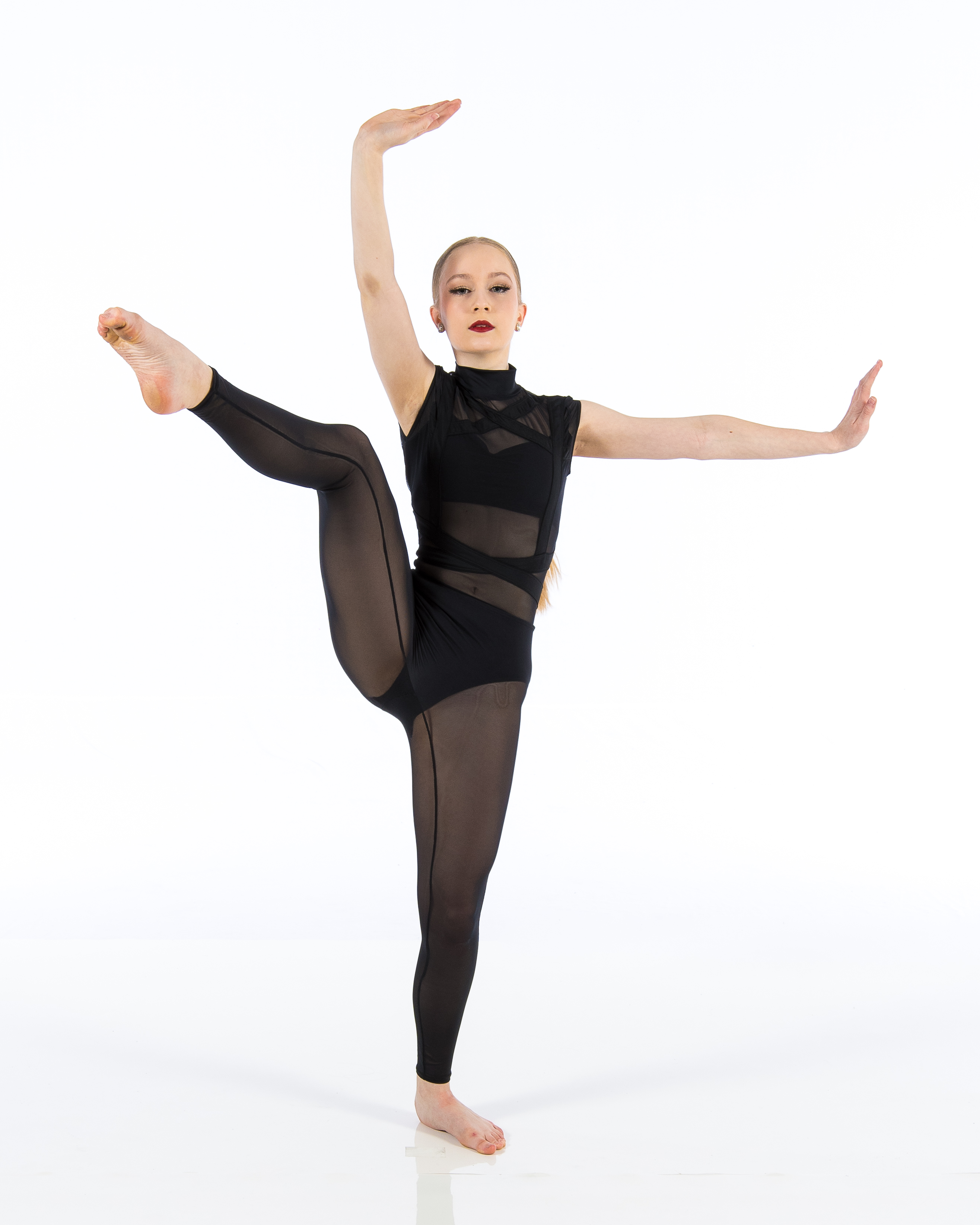
Don’t hesitate to ask questions when visiting studios! summer dance class Doty Performance Inquire about teaching methods, progress tracking, and communication with parents.
15. Engaging Other Parents' Perspectives
Connect with parents whose children attend the studio; they can provide insights you won’t find online!
Assessing Commitment Levels: Time & Energy Investment
16. Determining Your Child’s Interest Level
Before committing long-term, assess how dedicated your child is toward learning dance over time.
17. Balancing Other Commitments
Consider how dancing fits into your family’s schedule alongside schoolwork and extracurricular activities—balance is key!
Safety First: Ensuring Wellbeing at the Studio
18. Health Protocols in Place
Especially post-pandemic, inquire about health protocols regarding sanitation practices during classes.
19. Injury Prevention Measures
Find out what safety measures are taken during training sessions—such as proper warm-ups—to minimize injury risks.
20 . Finalizing Your Choice
Now that you've done all this groundwork, it's time to make an informed decision! After considering all factors—from class size and instructor qualifications to location safety—choose a studio that aligns best with your child's interests and needs.
FAQs About Selecting Dance Schools for Children
1. What age should my child start dancing?
Most studios offer classes as early as 2 or 3 years old! Starting young helps develop coordination but always consider readiness first.
2. How do I know if my child will enjoy dancing?
Pay attention to their natural rhythm or enthusiasm when music plays; if they love moving around at home, chances are they'll enjoy structured classes!
3. Should I enroll my child in multiple styles?
This depends on their interest level; however, trying different styles can help them discover what they truly love!
4. Are competitions necessary?
Not at all! Competitions can be fun but aren’t required; many studios focus solely on enjoyment over accolades.
5. How much should I expect to spend annually?
Costs vary widely based on location but budgeting around $1200-$3000 yearly is common when factoring tuition plus additional fees like costumes or travel expenses for events!
6 . Can my shy child thrive in a group class?
Absolutely! Many instructors excel at encouraging introverted children through supportive environments tailored towards growth while embracing individuality!
Conclusion
Finding the right dance school requires thoughtful consideration across various aspects such as facility quality, instructor expertise levels & overall philosophy alignment–not forgetting budget constraints either! By following this detailed step-by-step guide outlined here today “A Step-by-Step Guide To Selecting The Right Dance School For Your Child”, you’re well-equipped now more than ever before embarking upon this exciting journey together – good luck!